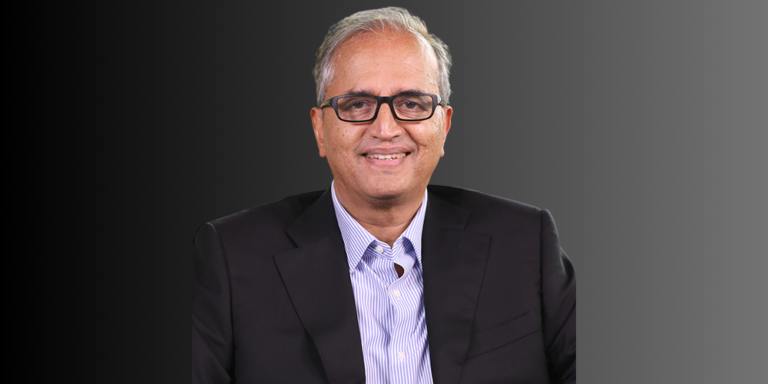

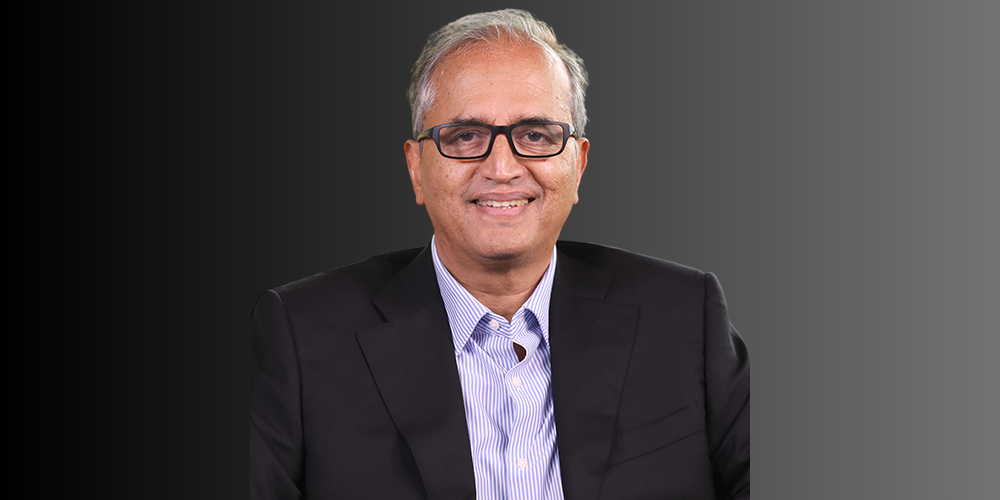
Devi Shetty: The Visionary Transforming Affordable Cardiac Care in India
In the world where good healthcare is not always affordable, the issue of affordability is one of the most concerning ones, particularly in developing nations. The increasing medical costs may make life-saving treatments unaffordable to millions of people. It is against this backdrop that Devi Shetty has stood out as a change agent in contemporary healthcare, reshaping the meaning of how high-quality healthcare can be provided in a large scale and at a reduced cost. Dr. Shetty, the founder of Narayana Health has created a model of healthcare that brings both clinical and operational efficiency together, which allows the complex cardiac procedures to be available to a significantly larger population. His work has not only saved so many lives but it has also questioned the traditional wisdom concerning the economics of healthcare.
1.Devi Shetty – Early Life and Medical Calling
A Passion for Healing
Devi Shetty was significantly motivated to become a doctor by a strong urge to impact positively on the lives of people. Remarking the tales of kind treatment and therapeutic advancement, he studied medicine in India and further specialized in heart surgery. His initial training was a groundwork of a career of precision, dedication and purposefulness.
Dr. Shetty became inspired by the awareness of the inequality in access to healthcare as he continued to progress in his career. As the advanced cardiac procedures were getting more sophisticated, they could not be accessible to many members of the population because they were expensive. This would in future inform his quest to achieve a more equitable healthcare.
A Global Experience.
Dr. Shetty also refined his expertise by being exposed to international experience in terms of advanced cardiac care methods. This international outlook enabled him to appreciate the potential of technology as well as the systemic issues present in healthcare systems. He also brought with him a vision to develop a more inclusive model of care when he went back to India, not just expertise.
2. The Founding of Narayana Health
Building a Scalable Healthcare Model
The establishment of Narayana Health marked a turning point in India’s healthcare landscape. Dr. Shetty envisioned a system where high-quality medical care could be delivered efficiently and affordably. By focusing on scale, standardization, and process optimization, Narayana Health was designed to treat a large number of patients without compromising on quality.
This approach challenged traditional hospital models, which often relied on high margins and limited patient volumes. Instead, Dr. Shetty adopted a high-volume, low-cost model that leveraged economies of scale to reduce expenses and improve accessibility.
Infrastructure and Accessibility
Narayana Health’s hospitals are strategically designed to maximize efficiency, from streamlined patient flow to optimized use of medical resources. By minimizing unnecessary costs and focusing on core clinical services, the organization has been able to offer treatments at a fraction of the cost typically associated with advanced cardiac care.
This model has made it possible for patients from diverse economic backgrounds to receive life-saving procedures, significantly expanding access to healthcare in India.
3. Revolutionizing Affordable Cardiac Care
High-Volume, High-Quality Surgery
Among the most impressive features of the methodology of Dr. Shetty is his focus on mass surgery. Narayana Health medical teams are highly experienced due to the high number of surgeries they perform, which results in better outcomes and increased efficiency. This will not only save on cost, but also improve quality of care.
Thousands of cardiac surgeries have also been performed by Dr. Shetty himself who has gained recognition as an expert and a patient caregiver. Through his work, it becomes clear that it is possible to be affordable and at the same time, high quality.
Innovation in Healthcare Cost.
The model of Dr. Shetty includes new cost-controlling measures, including purchasing of medical supplies in bulk and effective utilization of infrastructure. These will go a long way in saving on operational costs and savings can be transferred to patients.
Moreover, Narayana Health has also sought innovative methods of financing such as micro-insurance plans to make health care more affordable. These programs have been useful in reducing the disparity between medical necessity and financial ability.
4. Leadership Philosophy and Vision
Patient-Centric Approach
At the heart of Dr. Shetty’s philosophy is a commitment to patient-centered care. He believes that healthcare should be accessible to everyone, regardless of their financial status. This belief drives every aspect of Narayana Health’s operations, from pricing strategies to clinical practices.
His approach emphasizes empathy, transparency, and trust, ensuring that patients feel supported throughout their medical journey. This focus on human connection is a defining feature of his leadership.
Efficiency as a Core Principle
Dr. Shetty’s leadership is also characterized by a strong emphasis on efficiency. By optimizing processes and eliminating waste, he has created a system that delivers high-quality care at lower cost. This efficiency is not just operational but also strategic, enabling the organization to scale effectively and reach more patients.
5. Expanding Impact Beyond Hospitals
Healthcare Accessibility Initiatives
Beyond hospital operations, Dr. Shetty has been actively involved in initiatives aimed at expanding healthcare access. His efforts include promoting telemedicine, which allows patients in remote areas to consult specialists without traveling long distances. This use of technology helps bridge geographical barriers and brings quality care closer to underserved communities.
He has also advocated for policy changes that support affordable healthcare, contributing to broader discussions on healthcare reform in India.
A Global Influence
Dr. Shetty’s innovative model has attracted international attention, inspiring healthcare systems around the world to explore cost-effective approaches. His work demonstrates that it is possible to deliver advanced medical care in a financially sustainable manner, even in resource-constrained environments.
This global recognition underscores the relevance of his ideas beyond India, positioning him as a thought leader in healthcare innovation.
6. Legacy and Future Outlook
Redefining Healthcare Economics
Devi Shetty’s contributions have fundamentally changed the way healthcare economics are perceived. By proving that high-quality care can be delivered affordably, he has challenged long-standing assumptions about cost and accessibility. His work has opened new possibilities for healthcare systems seeking to balance quality with affordability.
Looking Ahead
As healthcare continues to evolve, the principles established by Dr. Shetty remain highly relevant. The integration of technology, focus on efficiency, and commitment to accessibility will play a crucial role in shaping the future of medicine. Under his guidance, Narayana Health is well-positioned to continue leading this transformation.
His vision extends beyond immediate impact, aiming to create a healthcare system that is inclusive, sustainable, and capable of meeting the needs of future generations.
Conclusion
Devi Shetty is one of the first examples of a modern healthcare personality who proved that the combination of compassion, creativity, and strategic thinking can lead to the creation of a meaningful change. Narayana Health through him has brought the high-quality cardiac care to the lives of millions of people, changing lives and establishing new industry benchmarks.
His legacy is an impactful and inspirational one, serving as the vivid example of how visionary leadership can help solve some of the most complicated issues in healthcare. With the need of affordable and high quality medical services steadily expanding, the strategy of Dr. Shetty is a guideline in creating a more reasonable and efficient healthcare system.
Read : Top 10 Tech and AI Tools for Startups to Scale Fast in 2025